







Search Results for: Coffee Flavor Peak
Coffee Bean Repurchase Review: From Roasting to Peak Flavor
When coffee beans are freshly roasted, their aroma does not mean they are at their peak. The interior of the beans still holds a large amount of carbon dioxide, and brewing them right away can easily produce sharp acidity, a thin and hollow mouthfeel, and a flow rate that may surge and slow unpredictably. The time when they are truly ready to drink usually requires waiting for the gas to release over a period, allowing the floral notes, fruity sweetness, and body to gradually come together. [more…]
The Flavor Peak of Espresso: Understanding Roast Dates, Degassing Cycles, and Daily Sealed Storage
Espresso extraction is extremely sensitive to the state of the carbon dioxide inside the coffee beans, and the completion of roasting does not mean the beans immediately reach the balance point for aroma release. Freshly roasted coffee beans are packed with a large amount of gas inside. If pressurized extraction is carried out right away, the water flow is easily obstructed by bubbles, leading to uneven extraction and bringing out too many off-flavors. Understanding [more…]
American-style coffee beans within their peak flavor window: the selection and drinking rhythm from degassing and resting to opening and storage
The clear, translucent mouthfeel and layered complexity of Americano depend largely on the活跃 state of the flavor compounds inside the coffee beans. Freshly roasted coffee beans do not reach their full, vibrant state immediately; the carbon dioxide that builds up inside them is slowly released over time. Understanding this pattern of change can help us follow the beans' natural rhythm and, at [more…]
Decaf Pour-Over Beans: Opening the Bag and Peak Flavor Window Explained — Master the Degassing Decline and Brew Your Best Cup
Decaffeination processing causes subtle changes to the cellular structure of green beans. After being heated during roasting, the pores inside the bean are often looser than those of regular beans, and the rhythm of degassing and flavor release is also more unique. If you want to taste clean, transparent fruity notes and sweetness from a pour-over brewer, understanding the freshness curve and degassing process of decaf coffee beans is [more…]
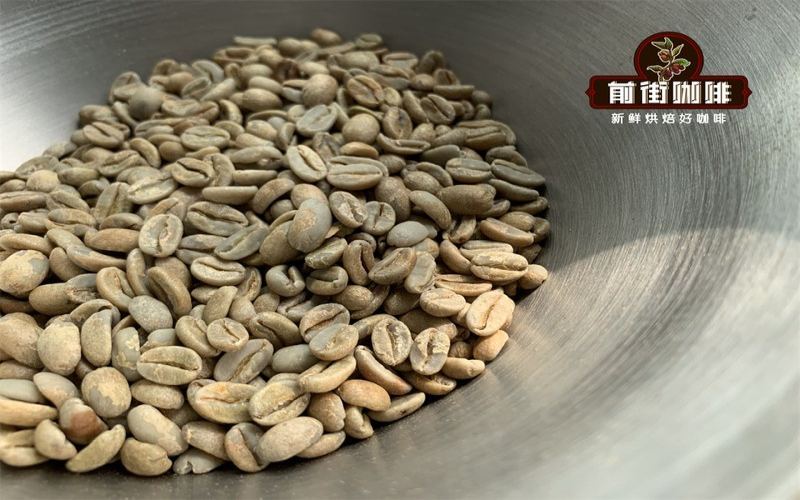
How to Determine the Peak Flavor Window of Commercial Coffee Beans? A Flavor Timeline from Degassing and Resting to Opening the Bag and Sealing It
The flavor profile of commercial coffee beans evolves continuously over time; the moment they finish roasting is not when they immediately reach their ideal flavor. After being heated, the interior of the bean traps a large amount of carbon dioxide, and this gas continues to be released outward over the first few days. Understanding the degassing and maturation process helps us more calmly plan each [more…]
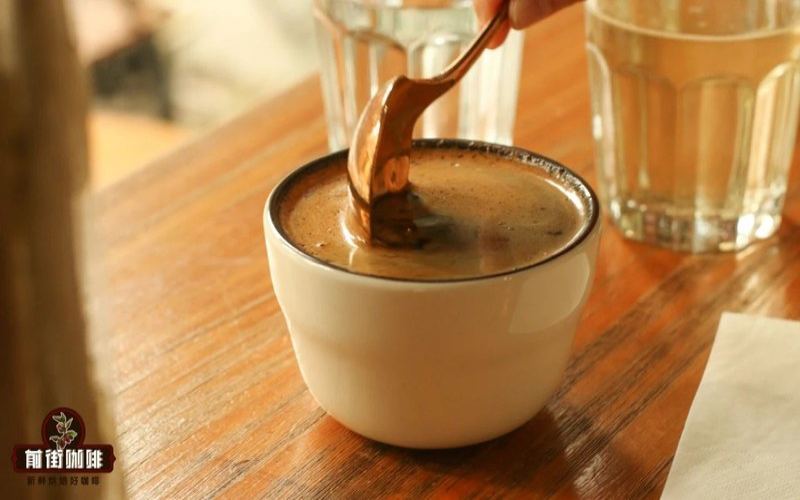
Grasp the peak flavor window and degassing state to make latte beans' aroma last longer
The aromatic depth and smooth texture presented by a cup of latte are closely related to the current freshness and gas state of the coffee beans. After being heated during roasting, coffee beans continuously release carbon dioxide, and the flavor compounds inside are also constantly undergoing oxidation and transformation. Freshly roasted coffee beans, due to the high concentration of carbon dioxide within them, produce during extraction [more…]
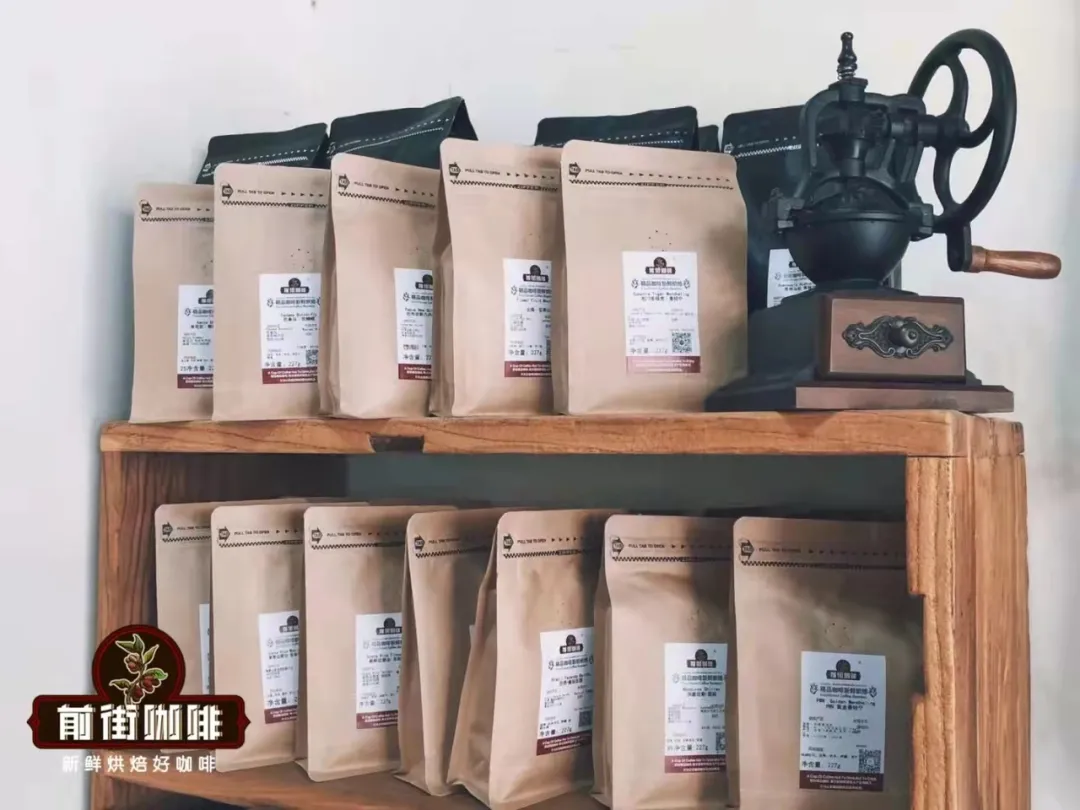
Three Major Taboos in Coffee Bean Storage | How to Store Fresh Coffee Beans to Preserve Flavor Longer? How to Extend the Peak Flavor Period of Single-Origin Pour-Over Beans?
As the Spring Festival approaches, it's another special Spring Festival, and many courier services are gradually suspending operations. Smart friends have already stocked up on winter supplies, filling their coffee cabinets to the brim. However, with still about half a month to go before the New Year, how to store coffee beans has become a major challenge for everyone. When storing coffee beans, [more…]
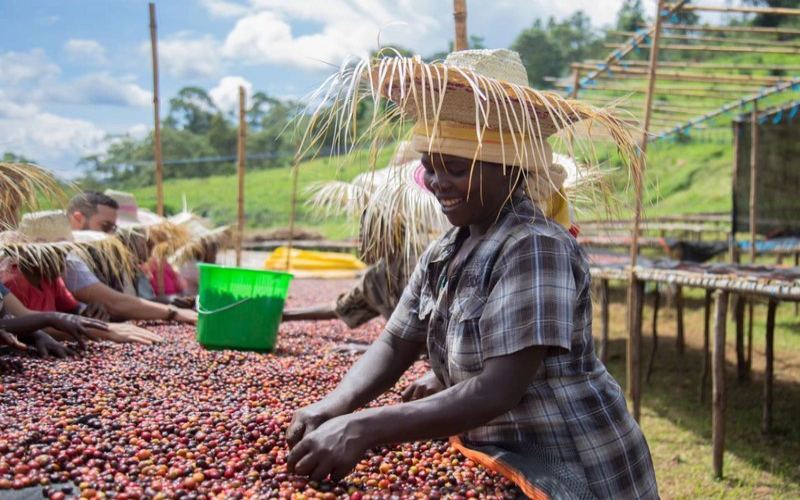
The Flavor Cycle of Home Coffee Machines: Mastering the Peak Flavor Window and the Rhythm of Opening and Storage
From the moment coffee beans finish roasting and leave the roaster, the aromatic compounds and carbon dioxide inside them begin a dynamic process of change. Machine extraction relies on a steady flow of water and pressure, and is especially sensitive to how filled with gas the inside of the beans is. Freshly roasted beans retain a large amount of carbon dioxide inside, so if they are placed directly into the machine for extraction [more…]
Moka Pot Single-Origin Beans: From Roast Date to Peak Aroma
A moka pot concentrates the oils, roasted sweetness, and strength of coffee beans into a single small cup, so whether the beans are at the right stage of flavor release often matters more to the result than the flavor notes on the packaging. Freshly roasted, gradually stabilizing, or opened for a while, the same single-origin beans can show different aroma intensity and mouthfeel. [more…]

When Buying Beginner Pour-Over Beans, Check the Roast Date: Master the Peak-Flavor Window and Sealed Storage Tips
Freshly roasted coffee beans have accumulated a large amount of carbon dioxide inside, and at this point the bean structure is tight and the aromatic compounds have not yet fully unfurled. If brewed immediately after roasting, the violently released gas can easily prevent hot water from evenly penetrating the coffee grounds, often making the extracted coffee taste thin or sour. Give the coffee beans a [more…]
From opening the bag to peak flavor for sun-dried beans, plan your drinking rhythm like this
The aroma of sun-dried coffee beans often comes through vividly, with berry, tropical fruit, floral, and fermented sweetness notes easily detectable when the bag is opened. However, freshly roasted beans do not necessarily reach their ideal state right away. After roasting, the bean mass continues to release carbon dioxide, and when there is too much gas, hot water struggles to penetrate the coffee bed evenly, and the cup may present [more…]
The Flavor Window and Storage Guide for Dark Roast Pour-Over Beans: From Degassing to Peak Flavor
Darker-roasted coffee beans undergo full caramelization and Maillard reactions in the roaster; the fibrous structure inside the bean expands, creating larger pores, and the degree of gas saturation and the rate of release are noticeably faster than in light roasts. Understanding the degassing patterns and flavor evolution of dark-roasted beans helps you accurately gauge the bean's condition during everyday pour-over brewing, allowing [more…]

SOE Bag-Opening Rhythm: From Roast Date to Peak Flavor
SOE beans need to go through a degassing process from the completion of roasting to the unfolding of flavor. Freshly roasted beans contain a lot of carbon dioxide, so when brewing, the contact between water and coffee grounds can be uneven, and the aroma may also seem closed off; after proper resting, the acidity, sweetness, floral notes, and finish will gradually come together. Therefore, the closer the date does not necessarily mean the cup [more…]
How Many Days After Roasting Do Coffee Beans Taste Best? From Resting Cycles to Sealed Storage—The Rhythm of Peak Flavor
Freshly roasted coffee beans enter a degassing phase in the early stage, during which the carbon dioxide trapped inside is slowly released over time. If brewed immediately at this point, the water flow tends to be blocked by the bubbles, preventing the flavor compounds from dissolving out evenly. Letting the beans rest in a bag with a degassing valve for a period of time allows the internal pressure to stabilize. This process [more…]

Breaking Down the Degassing Cycles of Blends and SOE: Calculate the Peak Flavor Window and Plan Your Drinking Rhythm
Freshly roasted coffee beans are wrapped in a large amount of carbon dioxide inside; these gases are slowly released over the following weeks, directly affecting the extraction efficiency of hot water and the expression of flavor. Espresso blends and single-origin espresso beans, due to differences in roast depth and bean texture, do not share the same gas release rate and peak flavor fullness. [more…]
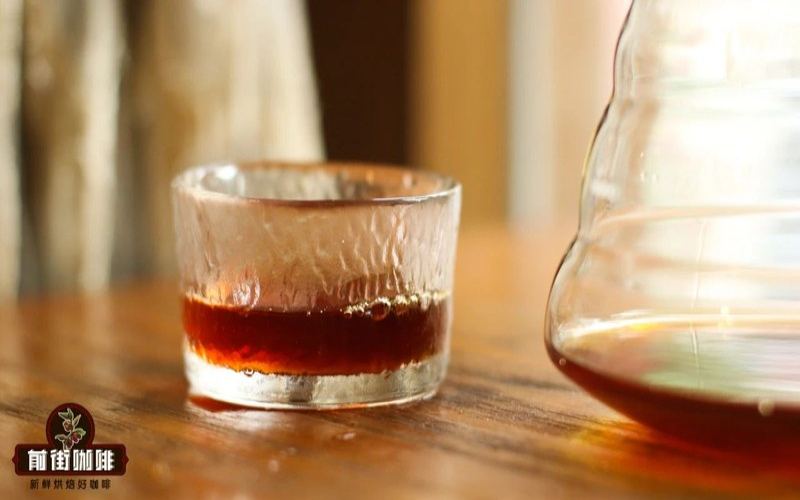
Master the peak flavor window and degassing rhythm to brew a gentle, sweet, low-acid pour-over coffee
After coffee beans are discharged from the roaster, they continue to release a large amount of carbon dioxide gas internally. If brewed on the same day as roasting, the overly vigorous bubbling reaction can easily hinder full contact between hot water and coffee grounds, resulting in muddled flavors and making it hard for sweetness to come through. For enthusiasts who prefer low acidity and a smooth mouthfeel, giving [more…]
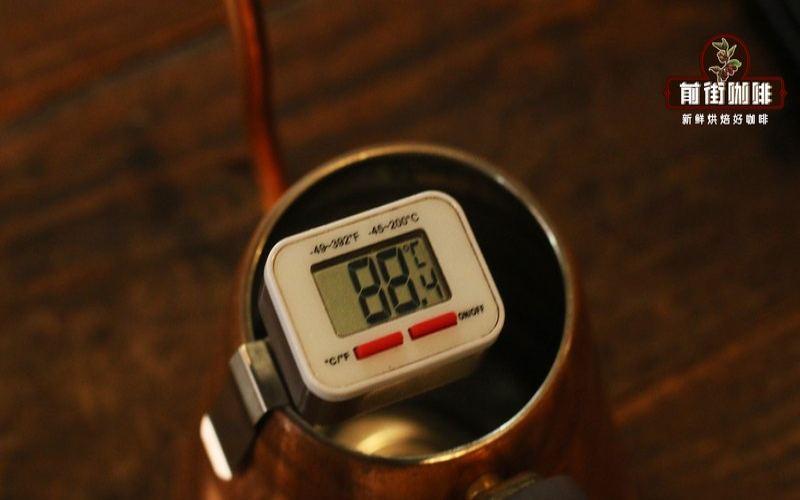
From Roast to Peak Flavor: Scheduling and Flavor Management for In-Store Coffee Beans
Freshly roasted coffee beans accumulate a large amount of carbon dioxide internally, and when these gases come into contact with water, they are released rapidly and violently, easily hindering the full contact between water flow and coffee particles. Understanding the internal transformations of coffee beans after roasting can help cafés and coffee enthusiasts identify the point at which aroma unfolds, allowing every cup of coffee to reach its full flavor. [more…]
A Comprehensive Interpretation of the Origin Grading System and Flavor Characteristics of Jamaican Blue Mountain Coffee Beans
Blue Mountain Coffee is widely recognized as one of the world's top coffees, a status inseparable from its exceptional natural conditions and the Jamaican government's almost stringent industry regulation. The Blue Mountain range lies in eastern Jamaica, where the azure waters of the Caribbean Sea reflect off the peaks, giving the region its name. Its highest peak rises 2,256 meters above sea level, with a cool, foggy climate, abundant rainfall, and fertile volcanic soil providing an ideal growing environment for coffee. In the mid-20th century, due to inconsistent export quality, Canada once refused to accept Blue Mountain Coffee, prompting Jamaica to establish the Coffee Industry Board (CIB) in 1948, building a strict quality standard and certification system. Blue Mountain Coffee is classified by screen size into No.1 through No.3 and Peaberry grades. The government has also designated specific cultivation areas and processing plants, with dedicated supervision from harvesting, fermentation, and drying to barrel packaging. This article will systematically outline the classification, grade standards, and unique craftsmanship of Blue Mountain Coffee, offering you a comprehensive understanding of this legendary coffee. [more…]
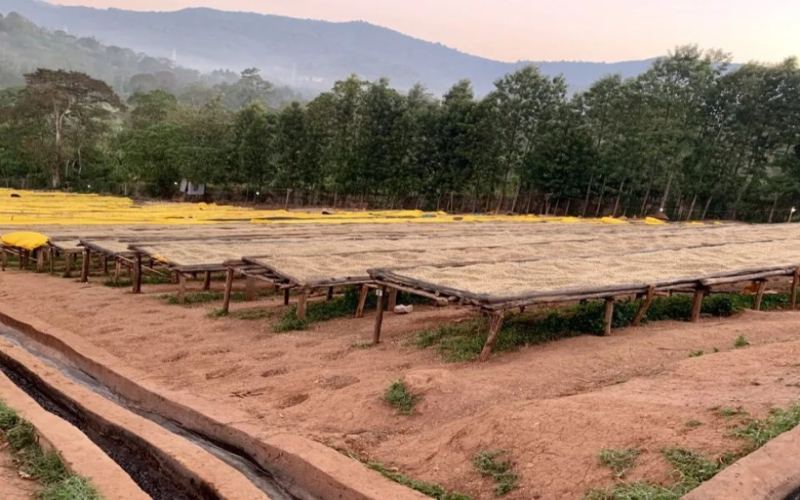
Flavor Fluctuations Within the Peak Flavor Window: Degassing Cycles and Opening/Drinking Methods for Blend Beans and SOE
After coffee beans come out of the roaster, they continue to release carbon dioxide internally, and this degassing process directly determines whether the aromatic compounds can be extracted smoothly during brewing. Because blended beans and SOE differ in bean composition and roasting direction, their pace of reaching the optimal drinking state and the period for maintaining aroma each have their own characteristics. Single origin [more…]
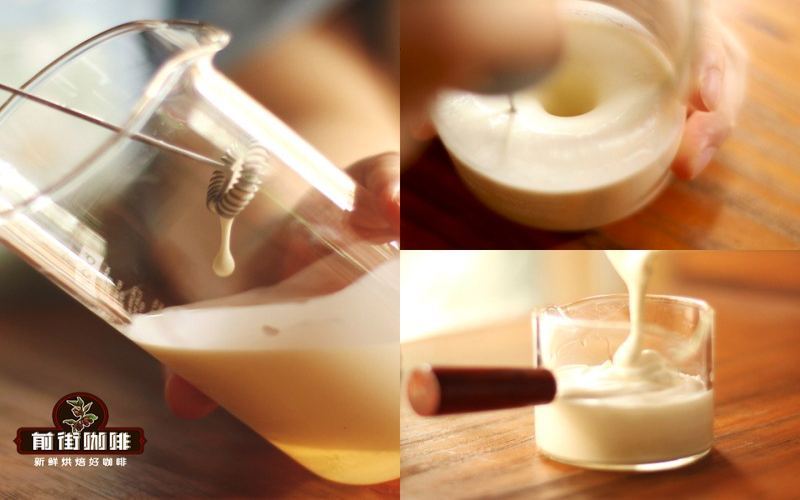
Understanding espresso bean degassing periods and peak flavor windows, so you drink every bag of coffee at its fullest flavor.
Freshly roasted coffee beans accumulate a large amount of carbon dioxide gas inside, and this gas is slowly released over the following days. For espresso extraction, the state of gas release is directly related to the fineness of the crema and the overall expression of flavor. Understanding the internal changes in coffee beans at different stages can help us [more…]